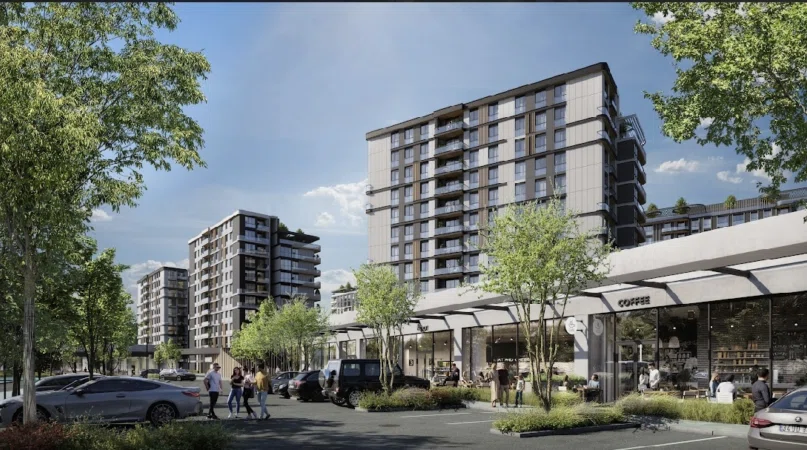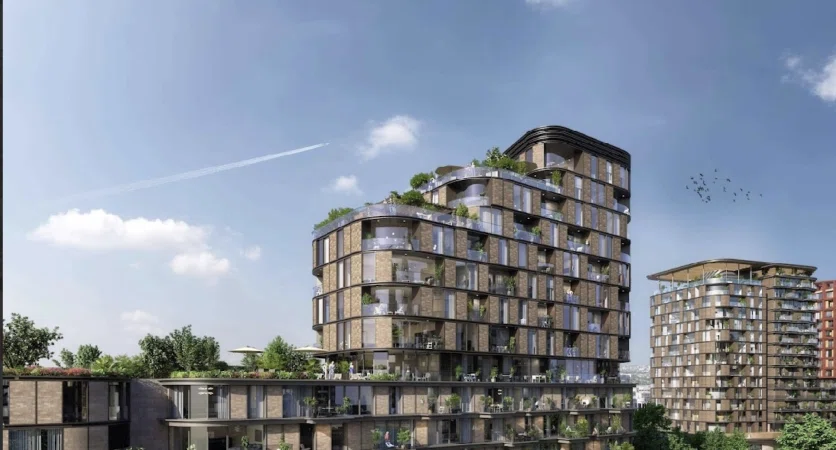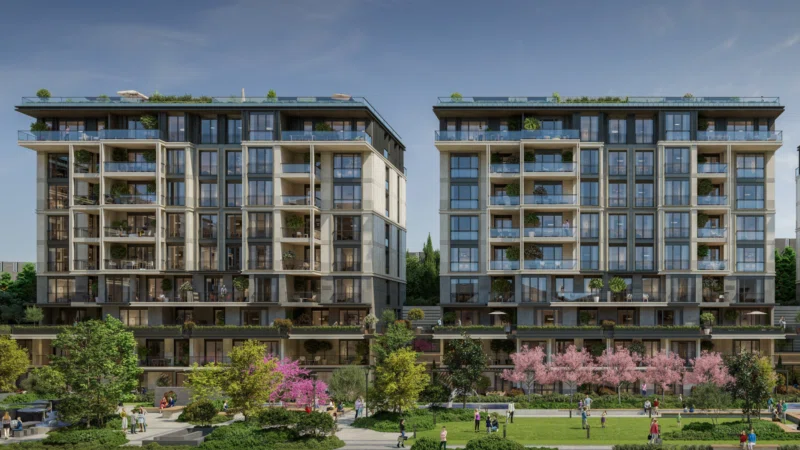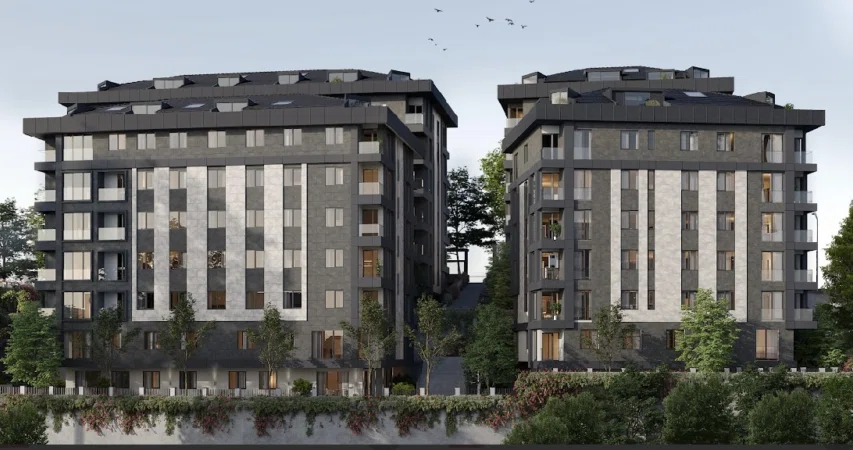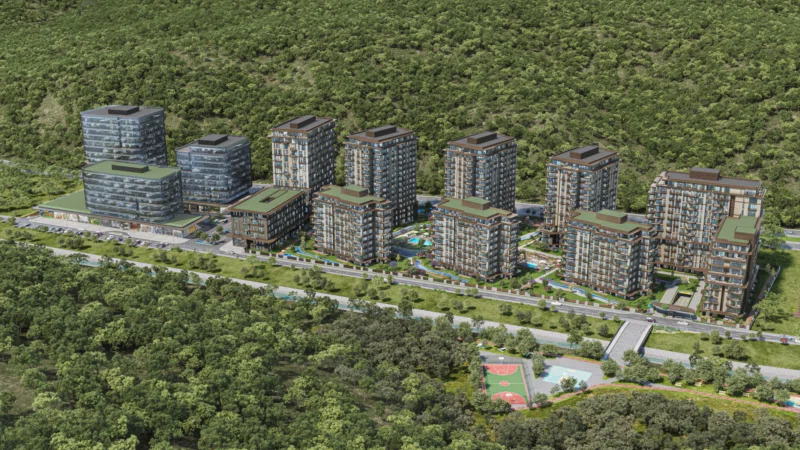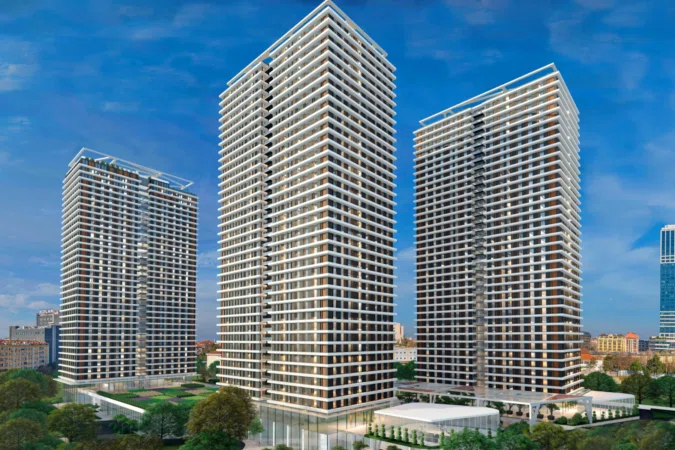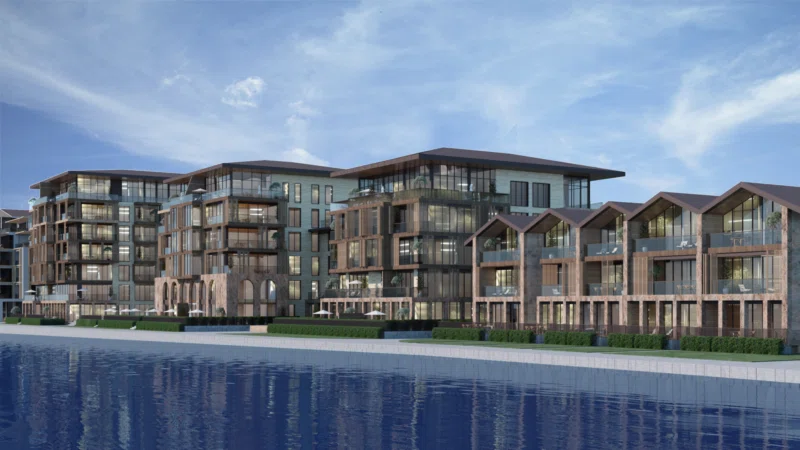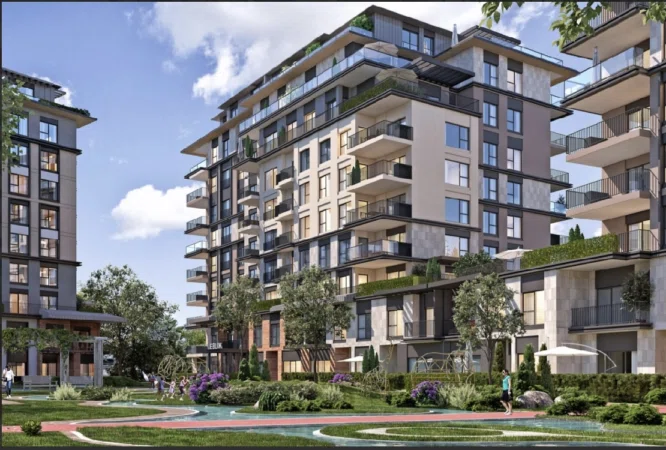

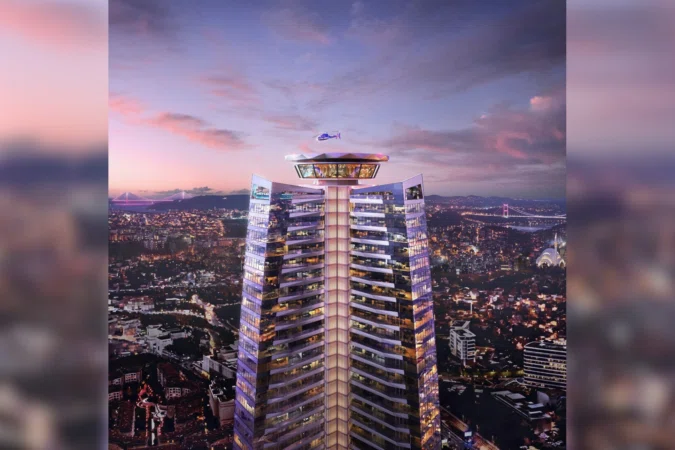
Object typeResidential
Completion dateQ3 2026
DeveloperRams
Total areafrom 101 m² to 274 m²
Down Payment50%
The International Monetary Fund (IMF) has officially confirmed that Türkiye’s "tight money" strategy is paying off. Inflation, which sat near 50% in late 2024, has cooled significantly to 30.9% as of late 2025. For the Istanbul property market, this means the era of chaotic price swings is ending, replaced by a more predictable, institutional-grade environment.
What do the growth figures mean for property values?
With a projected GDP growth of 4.2% for 2026, the IMF sees a "rebound in confidence." As the Turkish Lira strengthens and international reserves stabilize, the risk of a currency-driven market crash diminishes. Steady economic growth usually acts as a floor for property prices, ensuring that your investment in Istanbul is backed by a recovering and robust national economy.
Where is the opportunity and where is the risk?
The IMF highlights that while "tight policy" has slowed productivity in some sectors, the financial sector remains robust. In real estate terms, this suggests that premium districts (Beşiktaş, Sarıyer) will remain resilient stores of value. Meanwhile, the "risks" mentioned such as global trade uncertainty actually make tangible assets like Istanbul real estate more attractive as a hedge against external shocks.
What should investors consider right now?
Investors should look at the IMF's projection of inflation dropping to 23% by end-2026. This downward trend suggests that interest rates may eventually follow, which typically triggers a surge in domestic buying power. Entering the market now, before the local "mortgage wave" returns, allows international investors to capture assets at a more favorable valuation.
What is the long-term outlook for Türkiye?
The IMF is playing a long game, forecasting an average of 4% growth through 2031. This isn't just a temporary fix; it’s a structural shift. For your portfolio, this means Istanbul isn't just a short-term flip anymore it’s a legitimate contender for long-term capital appreciation, supported by a country that is successfully modernizing its financial framework.