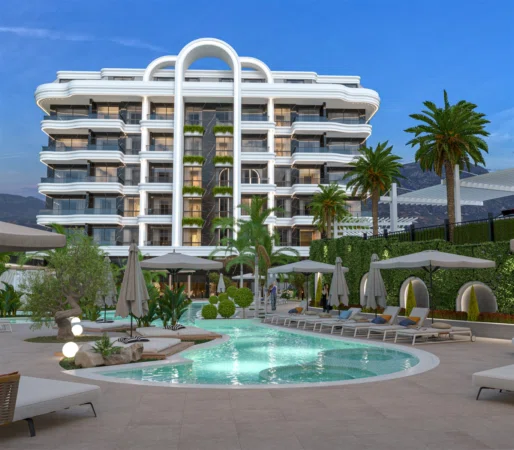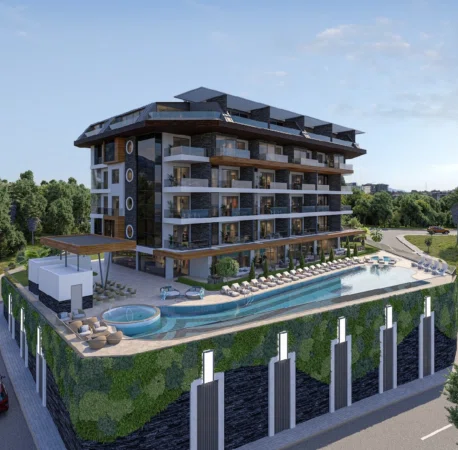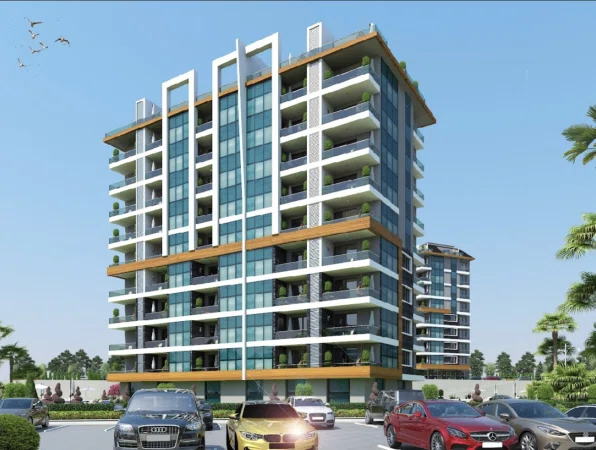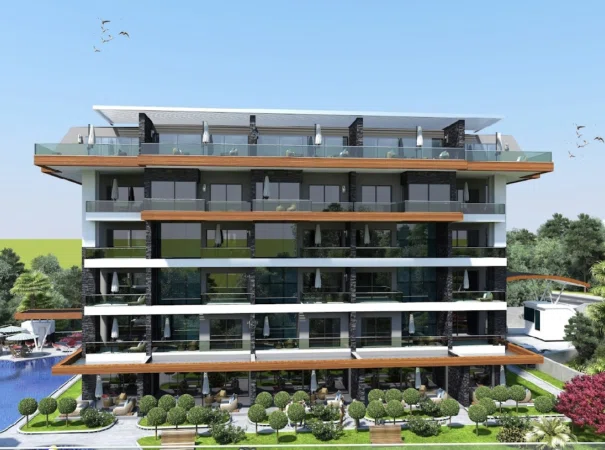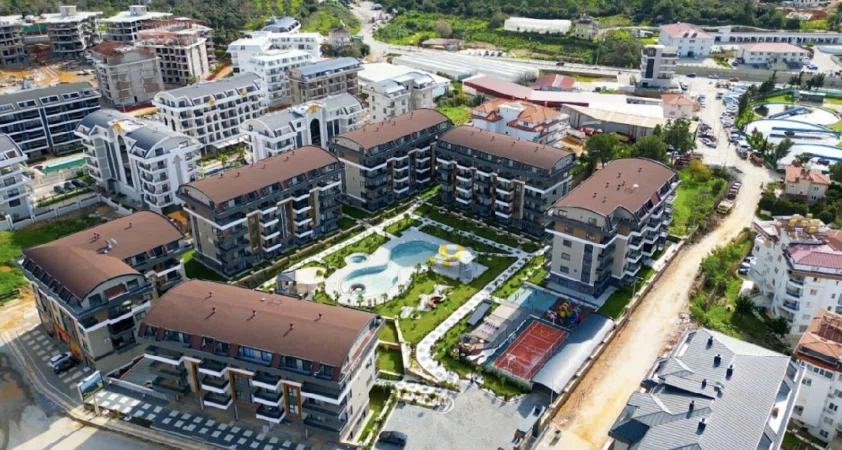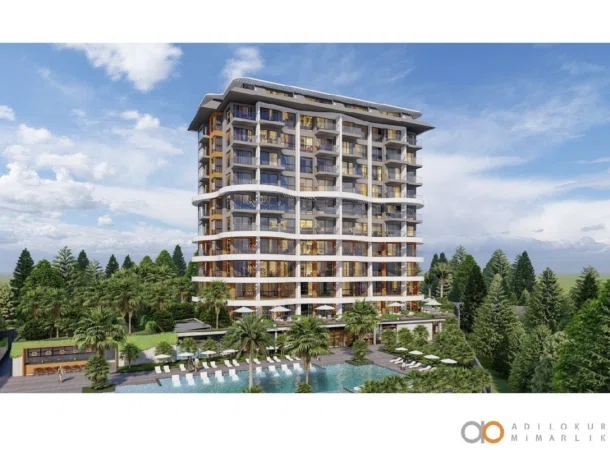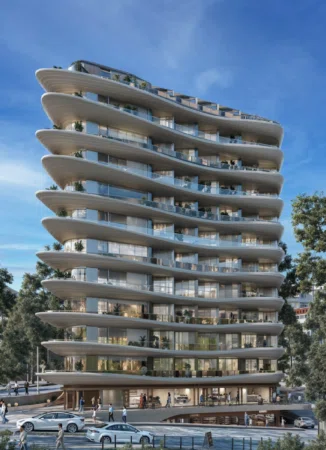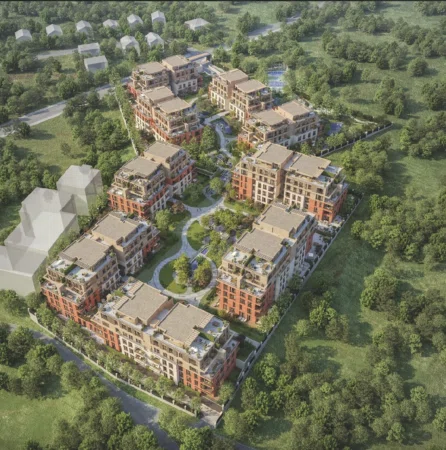





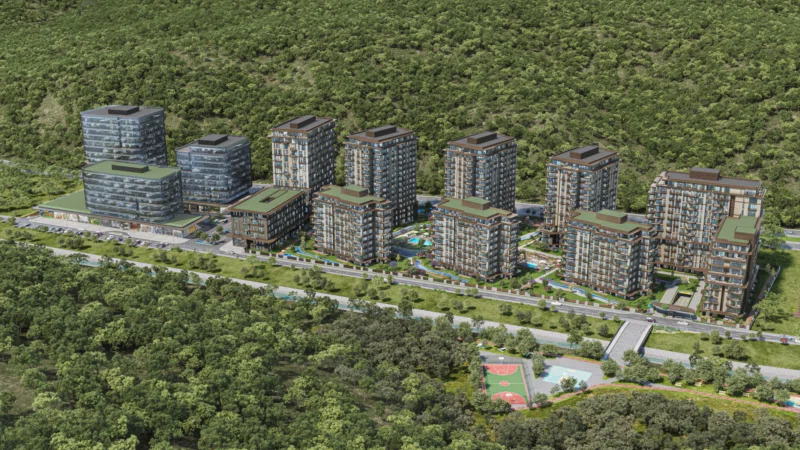
Object typeResidential
Completion dateQ2 2026
Developerİnvest İnşaat
Total areafrom 65 m² to 313 m²
Down Payment35%

Official data from the Turkish Statistical Institute (TurkStat) confirms that the Turkish economy sustained its growth momentum, recording a 3.7% year-on-year expansion in the third quarter of 2025 (July-September). This expansion follows growth rates of 4.9% and 2.5% in the preceding quarters, demonstrating continued, albeit moderating, economic activity.
In terms of value, the Gross Domestic Product (GDP) for the quarter reached 17.42 trillion Turkish liras, equivalent to approximately $409.6 billion in current prices.
Treasury and Finance Minister Mehmet Şimşek highlighted the robust overall performance, noting that the annualized national income has now surpassed the $1.5 trillion threshold. Minister Şimşek projected that growth will remain moderate in the final quarter of the year, likely exceeding the official Medium-Term Program target for 2025. Crucially, he affirmed that this measured growth trajectory is designed to support the disinflation trend, which is a key objective of the government's current economic policy. Looking ahead, the Minister expressed optimism for a more positive increase in economic activity in 2026, driven by improved global and domestic financial conditions.
The Q3 growth figure of 3.7% came in slightly below the 3.97% median forecast by Anadolu Agency economists, while the seasonally and calendar-adjusted quarterly growth slowed to 1.1% from 1.6% in Q2, reflecting the expected impact of tighter monetary policy. The data underscores the resilience of the Turkish economy and the deliberate policy context aimed at achieving price stability alongside sustainable expansion.
The pivot towards moderate, disinflationary growth represents a significant shift that is already reshaping dynamics within the Turkish real estate sector.
- Shift from Inflation-Hedge to Fundamental Value: For years, property served as the primary hedge against high inflation. As disinflation takes hold and interest rates remain high to curb price rises, the appeal of property as a quick-return speculative asset is waning. Investment focus is shifting from nominal price gains to real value appreciation and strong rental yield potential.
- Affordability and Domestic Demand: Tight monetary policy, evidenced by a deceleration in quarterly growth, typically leads to higher mortgage rates. This increases the cost of financing and reduces the purchasing power of domestic buyers, particularly those reliant on credit.
- Construction Sector Activity: Although overall growth is moderating, the Construction sector's value-added activities are notably resilient (4.2% in Real Estate Activities and 13.9% in Construction Sector activities in Q3 2025 according to TurkStat), driven significantly by large-scale urban transformation projects and post-earthquake rebuilding efforts. This sustained activity indicates a healthy pipeline of new developments.
- Investor Confidence and Stability: The government’s clear commitment to achieving price stability (disinflation) and financial discipline, as articulated by the Finance Minister, instills greater confidence in the long-term outlook. For professional real estate investors, this predictability is vital, signaling a transition toward a more stable, mature market where strategic long-term projects are favored over short-term speculation. The overall goal is to establish a foundation for sustained, high-quality growth in property assets.